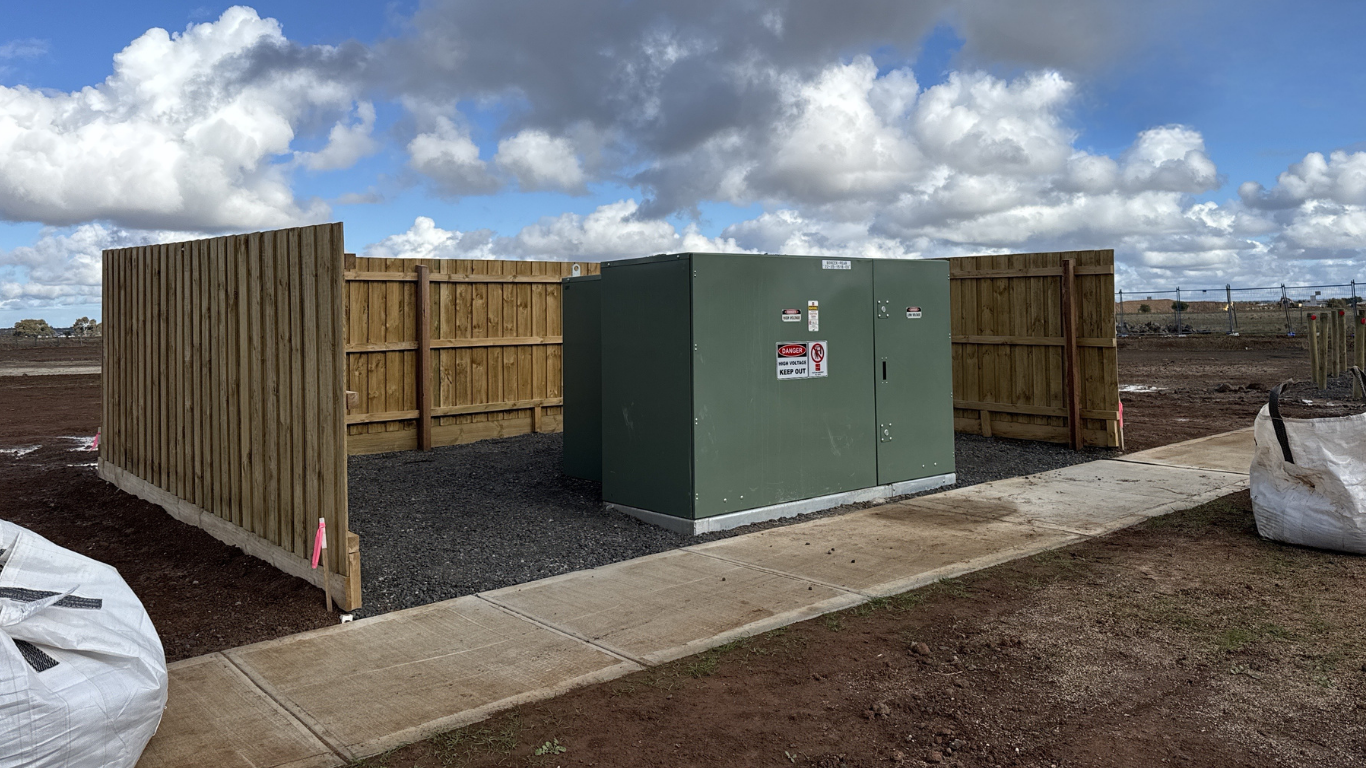
Balpara was engaged to conduct a lighting assessment on Ballan Road, and design temporary solar lighting for the road and pedestrian pathway during an upgrade project.
Project Overview
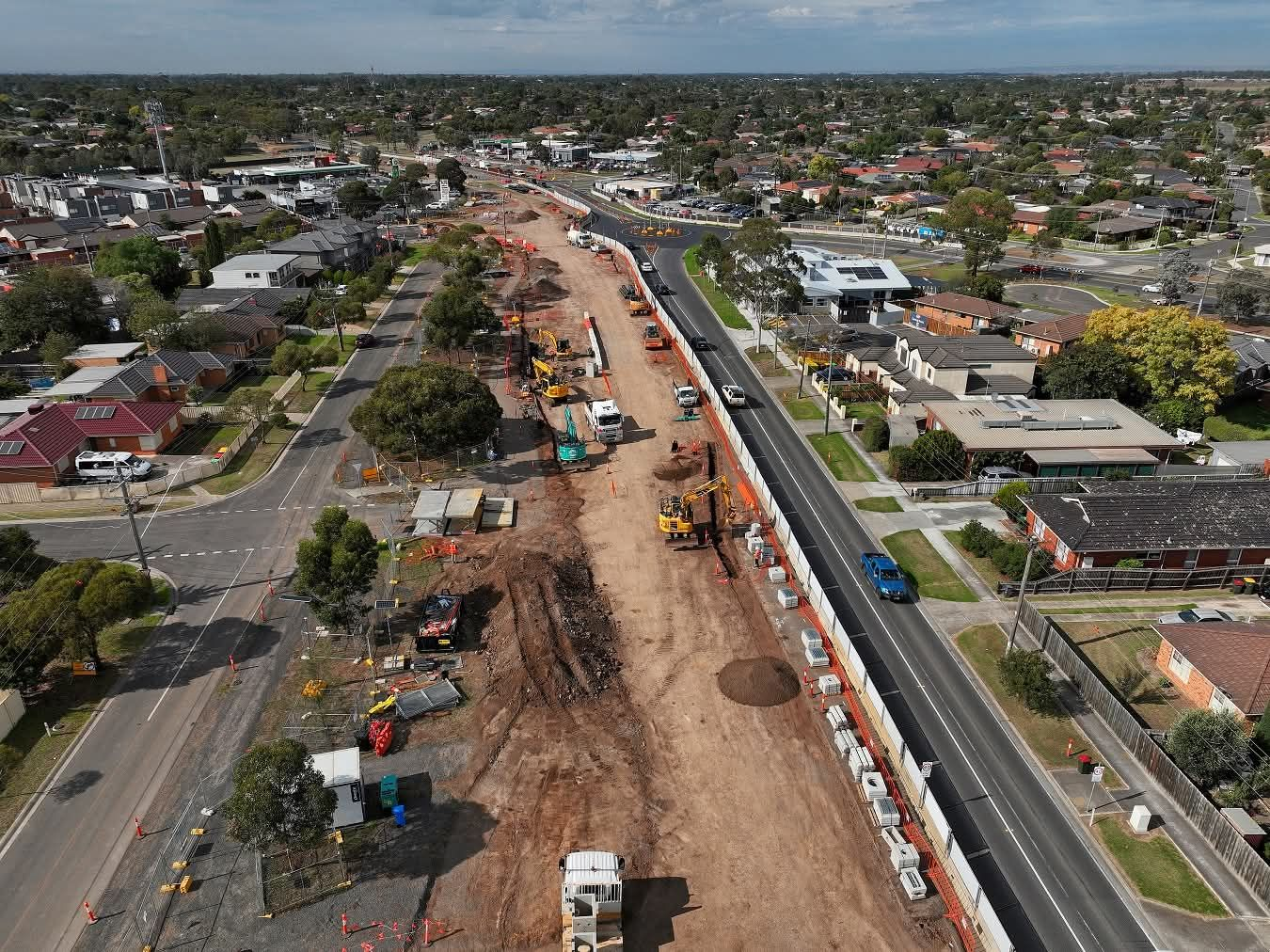
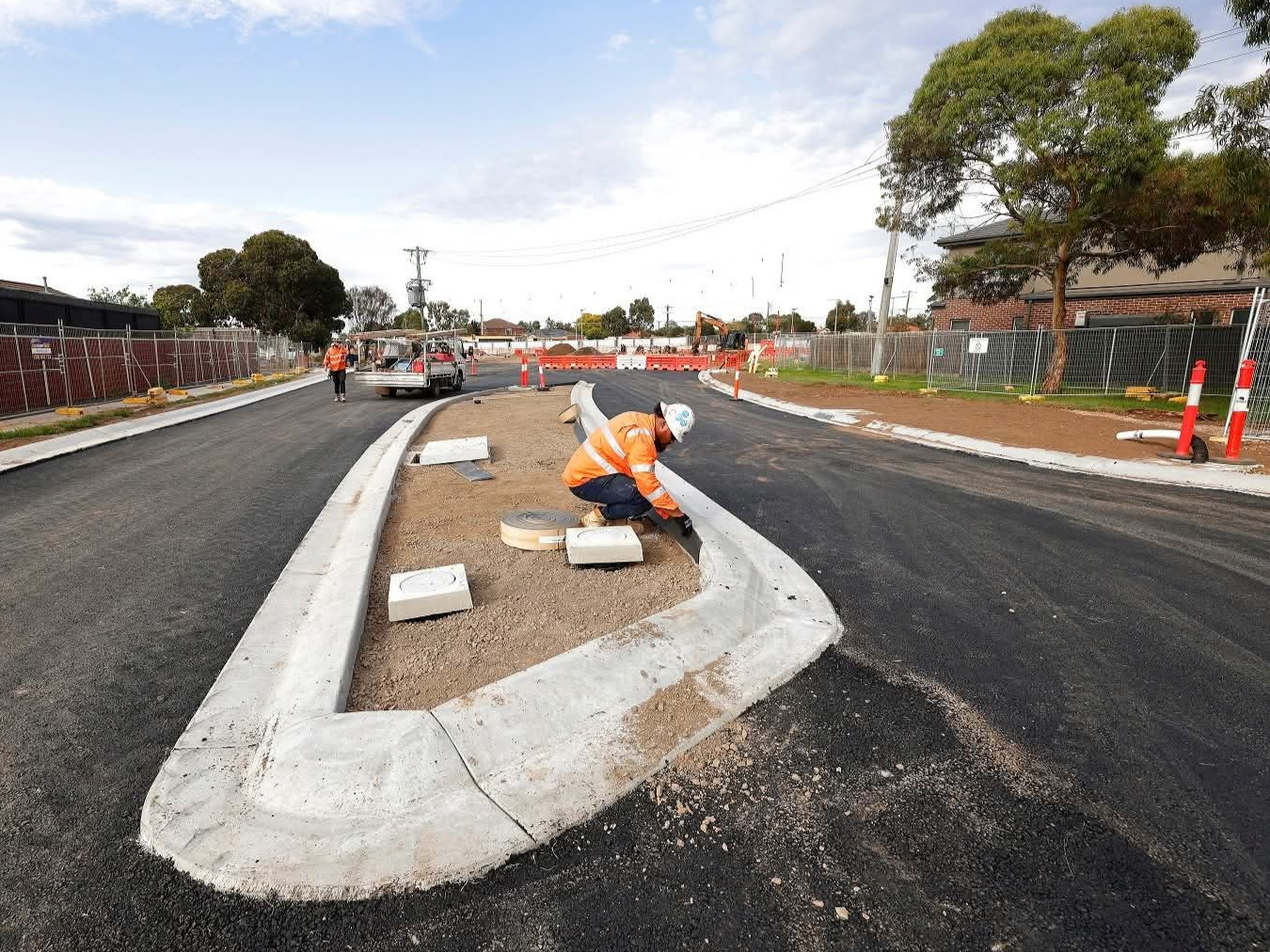
As part of the Ballan Road upgrade works, temporary lighting was required to maintain safe visibility for road users and pedestrians during construction. Our team was engaged to assess the existing road lighting conditions and develop a temporary lighting design to support construction staging along approximately one kilometre of roadway.
All lighting designs were developed in accordance with the AS/NZS 1158 road lighting standards, ensuring that minimum lighting levels for both traffic and pedestrian areas were maintained throughout the construction phase.
Project Scope
Balpara’s role involved assessing the existing lighting conditions and designing a temporary solar-powered lighting solution that would maintain appropriate illumination levels during the staged construction works.
Key elements of our scope included:
- Assessing existing road lighting performance along the affected section of Ballan Road
- Identifying areas where lighting levels would be impacted by construction staging
- Designing temporary solar-powered road lighting along approximately one kilometre of roadway
- Developing a temporary lighting design for the re-routed pedestrian footpath
- Ensuring lighting levels complied with AS/NZS 1158 requirements for road and pedestrian environments
- Preparing lighting layout drawings and supporting documentation for construction implementation
A key requirement of the project was to maintain compliant lighting conditions while accommodating civil construction staging and temporary traffic management arrangements.
Relevant Accreditation/Quality Standards
- AS/NZS 1158.1.2 road lighting standards
- AS/NZS 1158.3.1 pedestrian lighting standards
Value Adds
The Ballan Road upgrade lighting design delivered a compliant and practical temporary lighting solution that supported both road users and pedestrians throughout the construction phase.
Our design approach focused on lighting locations that would avoid conflicts with construction activities, temporary barriers, and work zones. We utilised solar-powered lighting units to provide a flexible and self-contained solution that could be installed without the need of generators, minimising the environmental impacts. This ensured lighting requirements for road and pedestrians were met while construction stages progressed.
Similar Projects
You may also like